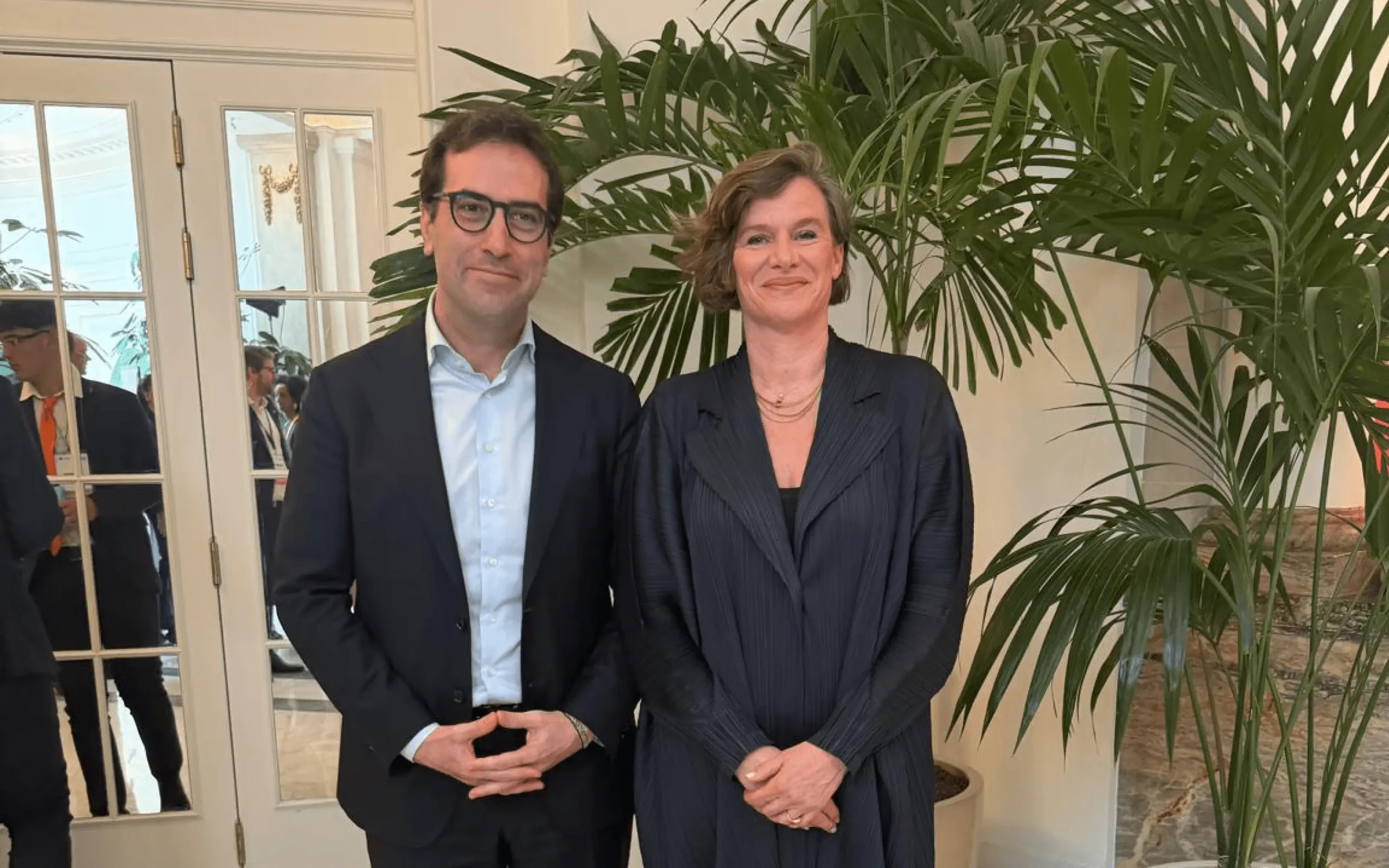
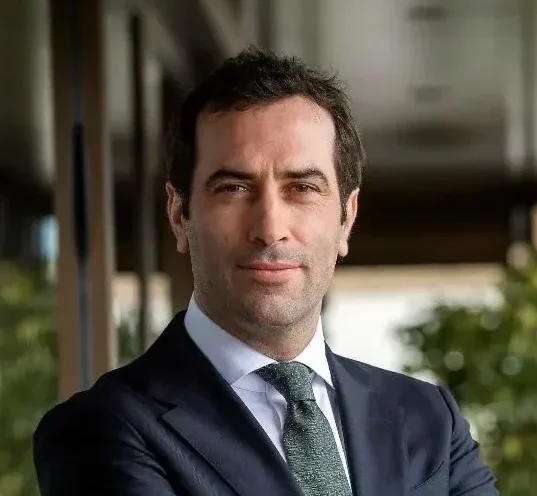
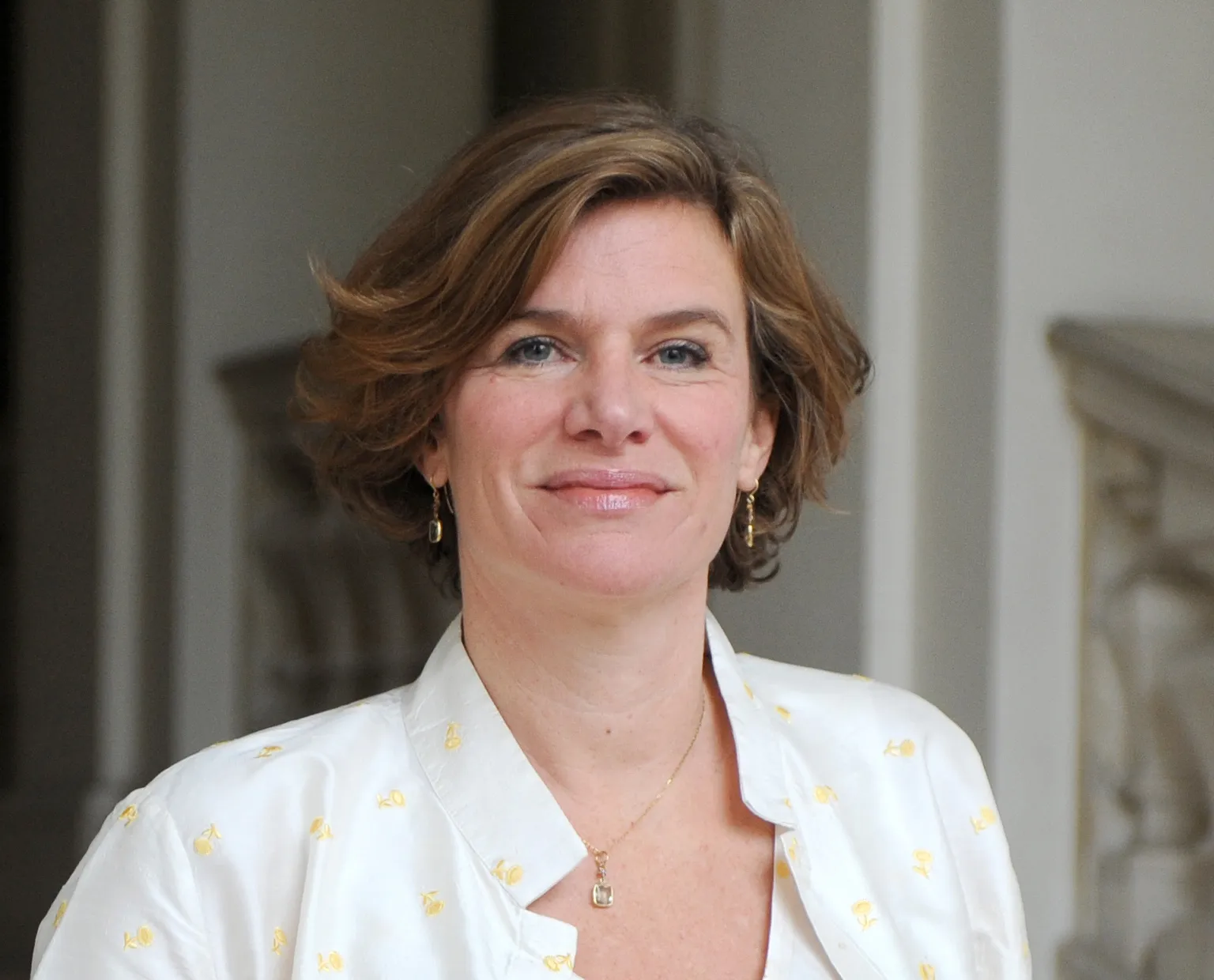
Co-Chairs Carlos Cuerpo, First Vice-President of the Government of Spain and Minister of Economy, Trade and Business, and Mariana Mazzucato, Professor and Founding Director, UCL Institute for Innovation and Public Purpose (IIPP) in Madrid.

About the Council

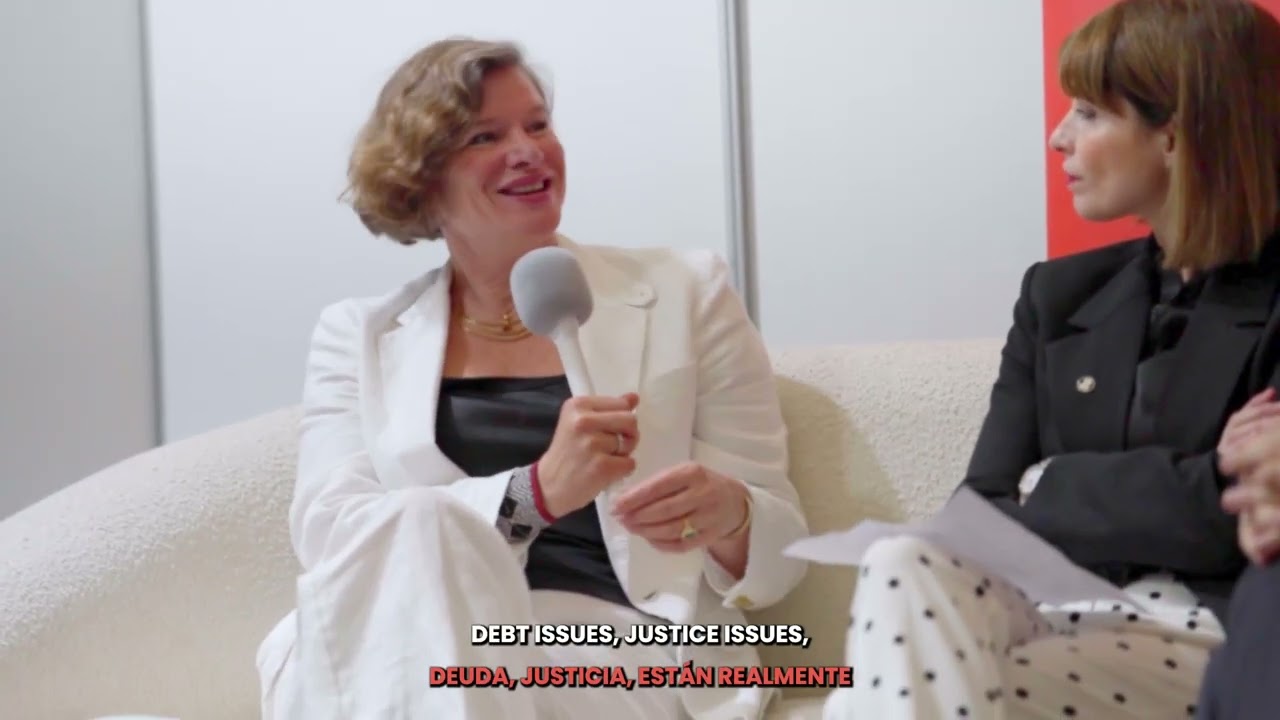
Glocal Council - video thumbnail

The Global Council on New Economics for the 21st Century: Towards a Common Good Economy brings together policymakers, academics, and practitioners to rethink the economic assumptions that shape our societies.

The Council proposes interventions at the level of economic theory and practice itself. Important work has been done by commissions and high-level panels on specific vertical issues, such as debt, tax, health, climate and water. Far less has been done on the underlying economic assumptions that have led to problematic government policies and business practices across all of them.

The Council complements this work by addressing the cross-cutting assumptions in economic theory and modelling that constrain progress on achieving key outcomes on the outcomes that matter: health for all, affordable homes and essentials, a green transition that creates jobs, technology and AI governed for the common good. 

“For decades, a narrow set of assumptions — that markets self-correct, that governments should stand back, that growth will trickle down — have been treated not as theories but as facts. The Council aims to not only over-turn these wrong assumptions but to build a set of new economic principles that can underpin policies in key areas that matter to people and planet.”

Mariana Mazzucato
Co-Chair
“We are proud to be hosting this Global Council, and we will be bringing precisely this perspective to the table, contributing to a broader reflection on how competitiveness, sustainability, and social cohesion can be understood as mutually reinforcing pillars of a more resilient and forward-looking economic model.”
Carlos Cuerpo
Co-Chair

An Economy for the Common Good

Quiet circular accent

The Council’s framework rests on four interdependent principles.

Justice

Social justice and climate justice are not separate agendas.

Equality

Rising inequality is a product of policy choices about taxation, labour markets, corporate governance, and the distribution of returns from innovation.

Sustainability

Social and environmental justice are not at odds with fiscal sustainability; they reinforce it.

Global solidarity

Peace, freedom, and multilateral cooperation depend on an economic architecture that does not concentrate risk in the most vulnerable economies.

Meet the Council

Economists and policymakers from around the world.

Co-chair
Carlos Cuerpo
First Vice-President of the Government of Spain and Minister of Economy, Trade and Business
Co-chair
Mariana Mazzucato
Professor and Founding Director, UCL Institute for Innovation and Public Purpose (IIPP)

Academic Members

Laura Carvalho
University of São Paulo
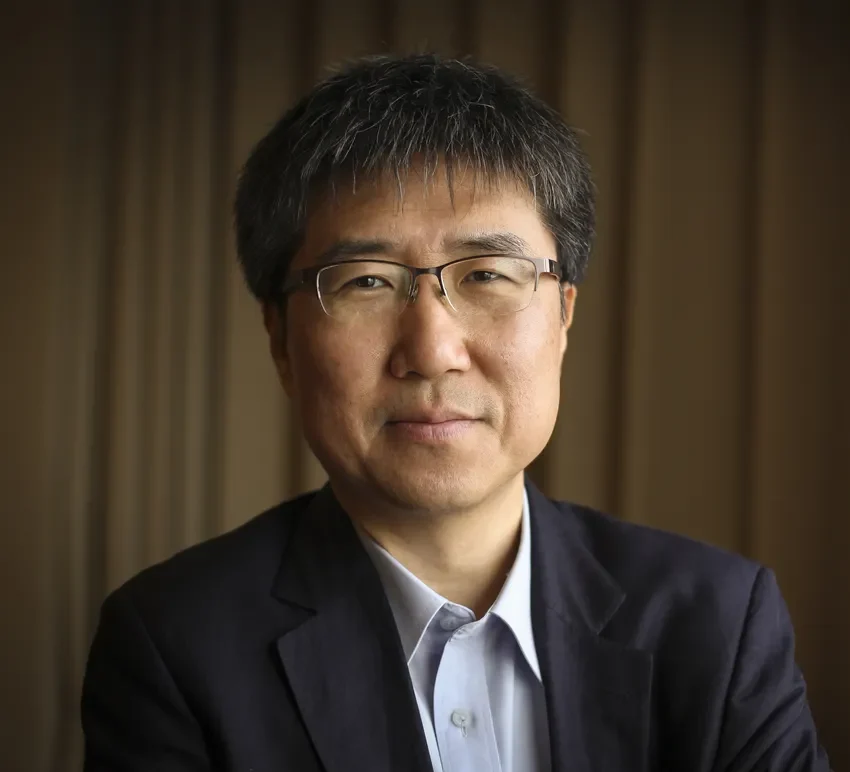
Ha-Joon Chang
SOAS University of London
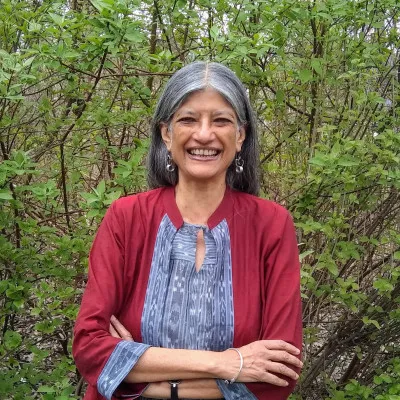
Jayati Ghosh
University of Massachusetts Amherst
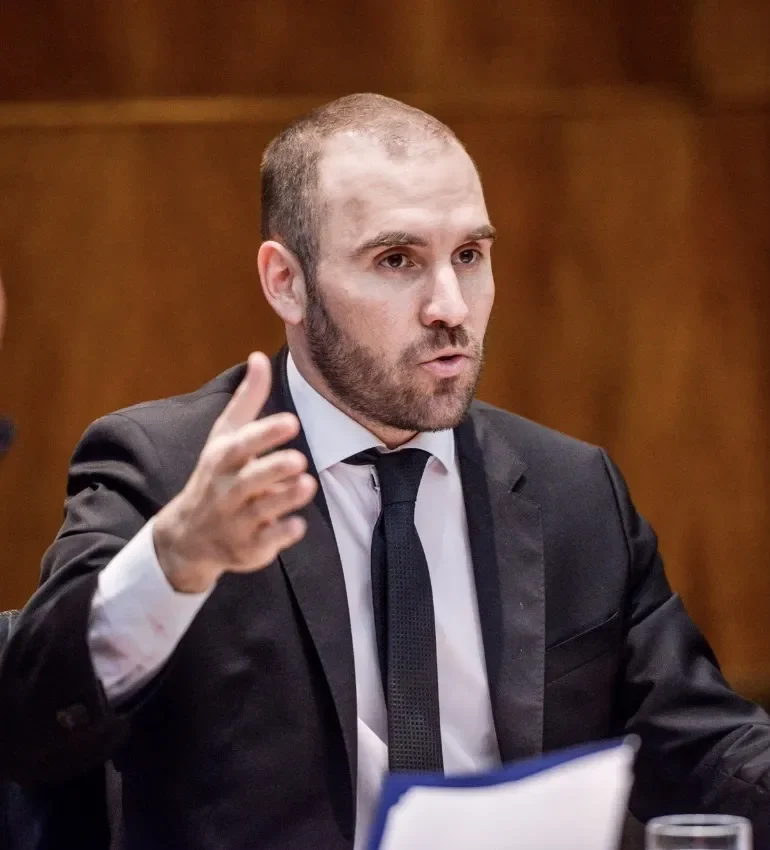
Martín Guzmán
Columbia University and Universidad Nacional de La Plata
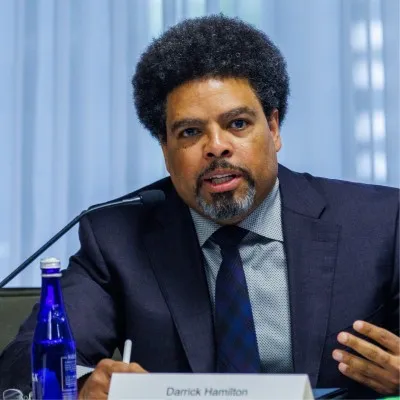
Darrick Hamilton
The New School and AFL-CIO
Mariana Mazzucato
University College London
Erika Kraemer-Mbula
University of Johannesburg
Ndongo Samba Sylla
International Development Economics Associates (IDEAs)
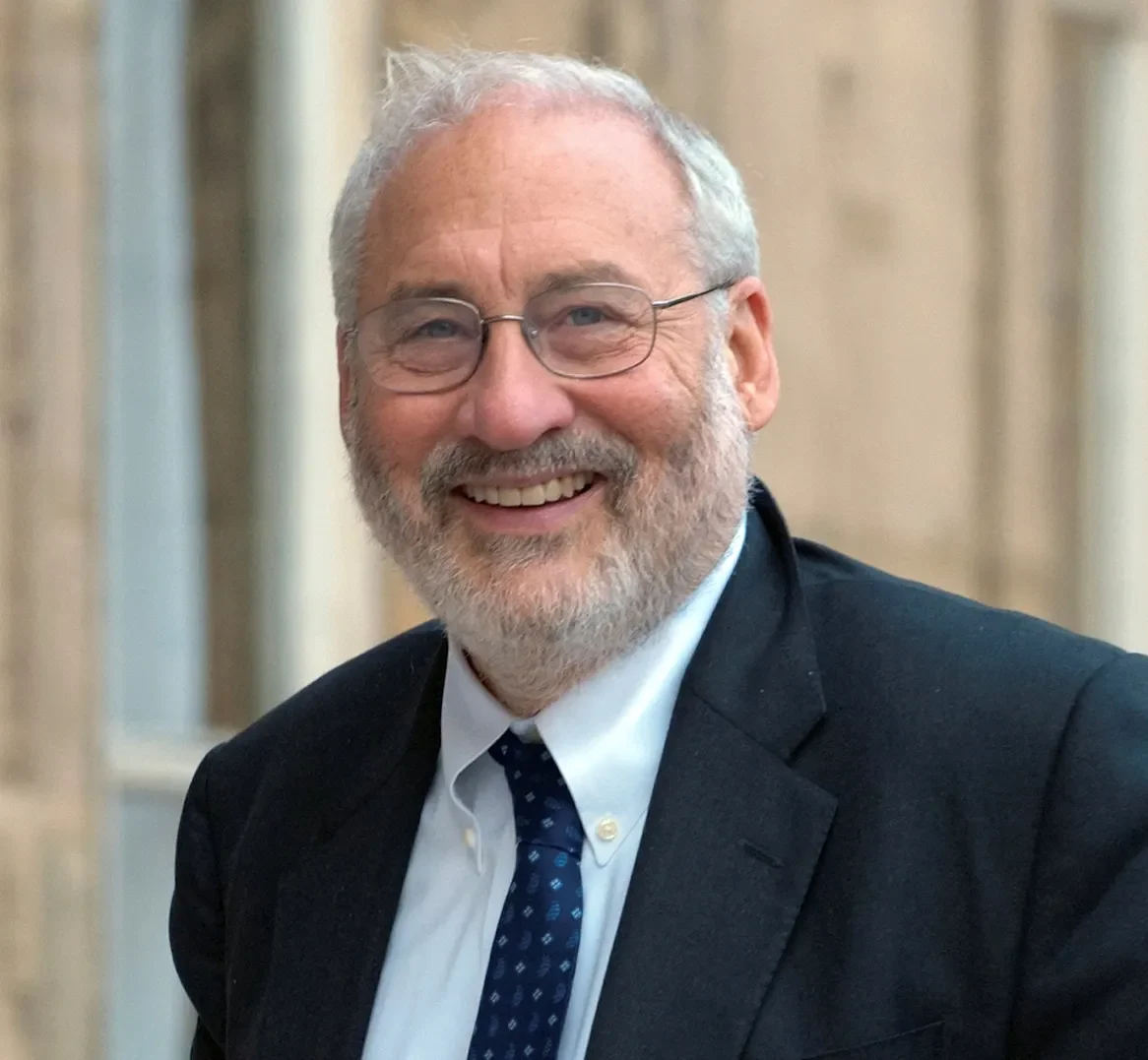
Joseph Stiglitz
Columbia University
Isabella Weber
University of Massachusetts Amherst

The Inquiry

The Council’s inquiry is organised around eight cross-cutting areas of economic thinking.

02
What would change if progress were measured not by GDP but by the quality of places, the affordability of essentials, the strength of public services, and the health of ecosystems?
02
Under what conditions can monetary policy and financial regulation redirect credit towards decarbonisation, affordable housing, and industrial transformation at the scale and time horizons these challenges demand?
02
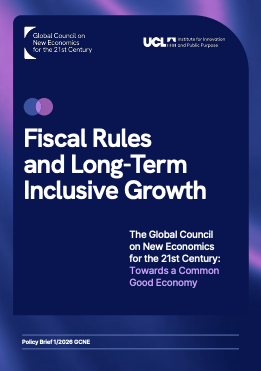
What would fiscal responsibility look like if it counted not only the costs of public investment but also its returns in productive capacity, resilience, and long-term growth? First policy brief: Fiscal Rules and Long-Term Inclusive Growth
02
How should the public sector be organised, resourced, and coordinated across housing, energy, industrial, health, and social policy so that it can recruit, learn, adapt, and lead?
02
When public money flows to private actors through subsidies, tax incentives, procurement, and public lending, what conditions ensure it generates public outcomes rather than private extraction?
02
What does a pre-distributive approach to taxation, wages, ownership, and public investment require?
02
What does it take to move from consultation to genuine co-creation in the design of economic policy?
02
What would it take to redirect the power of technology and AI towards better services for people — from health and data to cleaner water and environment — and towards a more democratic governance of data?

Latest from the Council

Policy Brief
October 2026

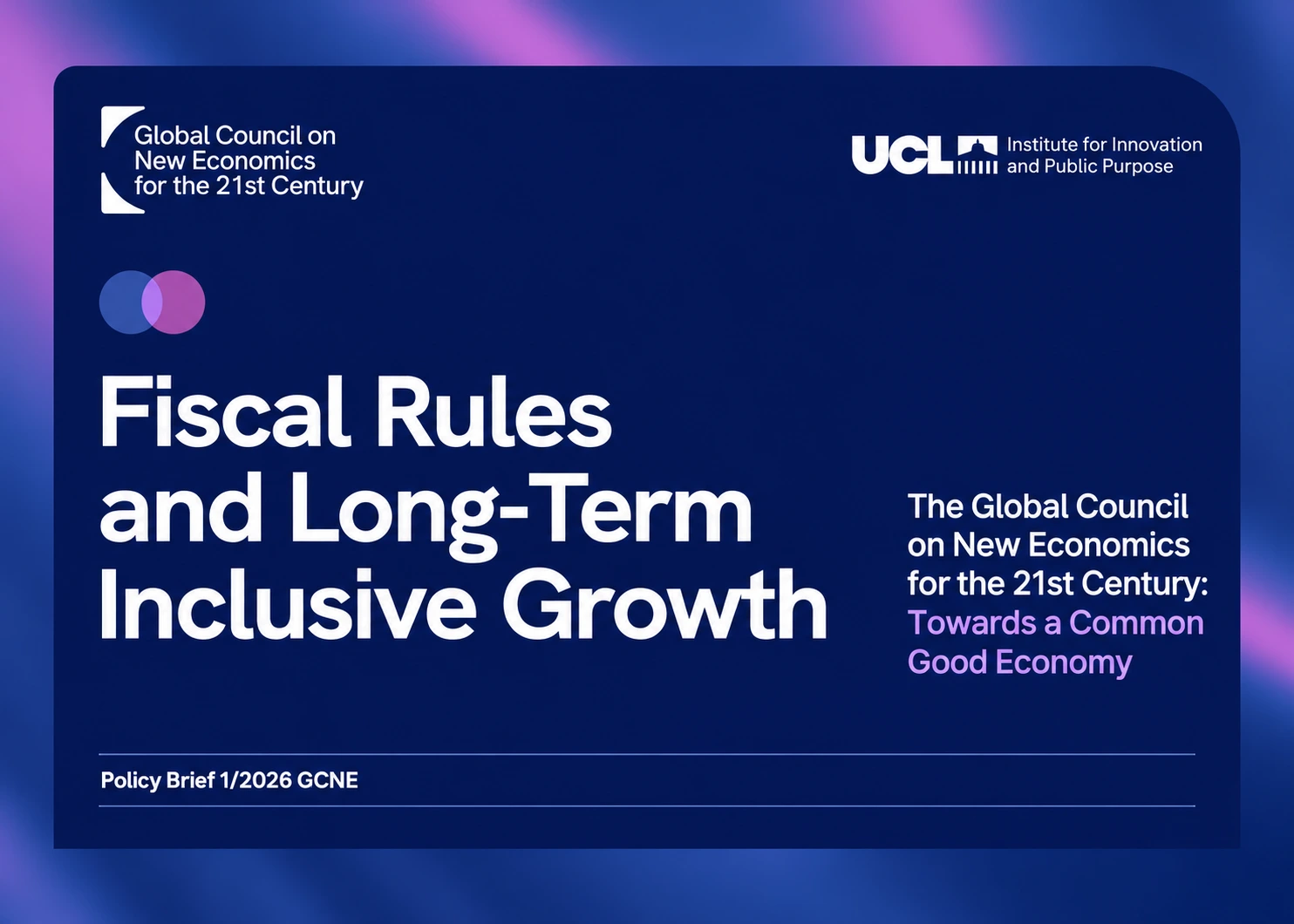
Fiscal Rules and Long-Term Inclusive Growth

The Council’s first policy brief examines the fiscal rules we need to protect the public spending that builds long-term resilience and inclusive growth.
Read the key messages
Media Coverage
October 2026

Public Investment is Fiscally Responsible

Mariana Mazzucato argues that fiscal responsibility should account for public investments that strengthen long-term productive capacity, rather than focusing solely on debt and deficit targets.
Read on Project Syndicate
Council News
October 2026

Leading Economists Call for a New Economic Paradigm for the 21st Century

As the IMF and World Bank meet in Bangkok, academics from the Global Council on New Economics for the 21st Century publish their first report, making the case that the assumptions behind four decades of economic policy cannot meet today’s shocks, starting with how governments define fiscal responsibility
Media Coverage
October 2026

Mariana Mazzucato speaks to BBC News about the IMF’s World Economic Outlook Report

As the IMF releases its World Economic Outlook, Mariana Mazzucato tells BBC News why governments are not households — and why fiscal rules that treat them as one hold back the investment that drives growth.

For Journalists

English & Spanish
Launch coverage
Read the announcement and reporting on the Council’s launch.
PHOTOS · BIOGRAPHIES · LOGOS
Media kit
Media-kit download placeholder. The final approved ZIP will contain Council photographs, short biographies, logos and a Council description.
OP-ED · OCTOBER 2026
It is time to rethink what counts as responsible economics
By Carlos Cuerpo and Mariana Mazzucato. Article placeholder: final title, outlet, text and destination link are awaiting supply.
Barcelona · 18 April 2026
Watch the Council launch
The launch recording is available on UCL’s Council page.